Proudly celebrating our 10 year anniversary
Speak With a Counselor, Call Us 24/7:
(661) 536-5562

Drug Rehab Center in Santa Clarita, CA

Healthy Living Residential Program is a licensed substance‑use treatment center in Santa Clarita offering residential drug rehab for adults. The program includes medically supervised detox, residential rehabilitation, and comprehensive aftercare planning. Services are provided under the supervision of licensed medical and clinical staff, using evidence‑based therapies and 24‑hour medical support to support recovery from substance use disorders.

If you or a loved one is struggling with drug addiction, you can call Healthy Living Residential Program at (661) 536-5562 to speak with an admissions specialist and learn more about treatment options.

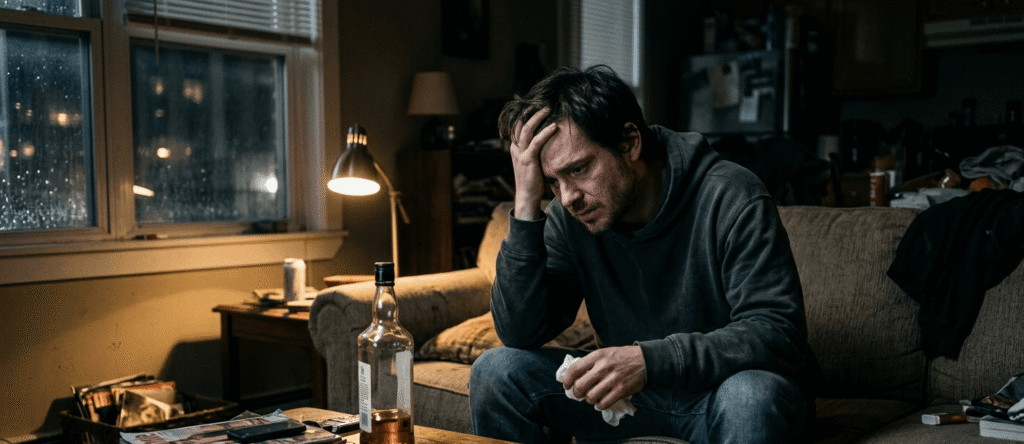
Residential Drug Rehab for Adults

Residential (inpatient) drug rehab provides a safe, substance‑free environment where you can focus on recovery without daily pressures, triggers, and negative influences. Removing yourself from people, places, and situations associated with drug use can be especially helpful in early recovery.

Clinical guidelines indicate that residential treatment can improve outcomes for individuals with moderate to severe substance use disorders, particularly when outpatient care alone has not been sufficient.

The residential program offers:

  • 24‑hour medical and nursing support
  • Structured daily schedules that support routine and stability
  • Separation from environments and relationships linked to drug use
  • Intensive individual, group, and family therapy
  • Treatment for co‑occurring mental health conditions (dual diagnosis)

Recovery is a process that often requires time, structure, and ongoing support to build a foundation for lasting sobriety.

We Are Verified
Accreditations & Memberships

DHCS‑Certified Drug Rehab Center in Santa Clarita

Healthy Living Residential Program is licensed by the California Department of Health Care Services (DHCS) and accredited by The Joint Commission (JCAHO). DHCS licensing means the facility meets state standards for substance‑use treatment and detoxification services. Joint Commission accreditation indicates that the program has undergone an external review focused on patient safety, quality of care, and performance improvement.

Choosing a facility that is both DHCS‑licensed and JCAHO‑accredited means:

  • Programs, staff qualifications, and treatment protocols are regularly reviewed
  • The center adheres to state and professional standards
  • Care is delivered in a regulated, medically supervised environment


24‑Hour Medical Support From Licensed Professionals

The clinical team includes physicians, nurses, and licensed addiction counselors who are trained in evidence‑based addiction treatment practices. Staff members follow clinical guidelines from organizations such as the Substance Abuse and Mental Health Services Administration (SAMHSA) and the American Society of Addiction Medicine (ASAM), and they participate in ongoing education to stay current with advances in addiction medicine.

Our Testimonials What Our Clients Say About Us

Understanding Drug Addiction as a Chronic Brain Disorder

Drug addiction is widely recognized as a chronic, relapsing brain disorder that affects the brain’s reward, motivation, and decision‑making systems. Major medical organizations, including the American Medical Association (AMA) and the American Society of Addiction Medicine (ASAM), describe addiction as a primary health condition, not a moral failing.

Chronic drug use can:

  • Increase tolerance, so more of the drug is needed to achieve the same effect
  • Lead to withdrawal symptoms when use stops
  • Trigger intense cravings, often tied to environmental cues
  • Reduce control over use despite negative consequences

Neuroimaging studies show that repeated drug use can alter activity in brain regions such as the prefrontal cortex, which plays a key role in impulse control and decision‑making. These changes help explain why many people struggle to stop using drugs through willpower alone. However, with evidence‑based treatment, the brain can gradually adapt, and long‑term recovery is possible.

When Drug Addiction Requires Residential Rehab

Understanding Drug Addiction as a Chronic Brain Disorder

The DSM‑5 classifies substance use disorders (SUDs) as mild (meeting 2–3 criteria), moderate (4–5), or severe (6 or more). Residential rehab is often recommended for moderate to severe SUDs, especially when:

  • Previous attempts to quit have been unsuccessful
  • Withdrawal symptoms are severe or medically risky
  • The home environment does not support abstinence
  • A co‑occurring mental health condition is present
  • There is a history of relapse after earlier treatment

If you or a loved one experience several of these signs, residential rehab may be an appropriate level of care.

Drug Withdrawal Symptoms Monitored During Rehab

Withdrawal symptoms vary by substance, duration of use, and individual health. At Healthy Living Residential Program, the medical team monitors and manages:

Physical Symptoms

Nausea, vomiting, sweating, tremors, headaches, muscle aches, fatigue, and sleep disturbances are addressed with appropriate medications and supportive care.

Psychological Symptoms

Anxiety, depression, irritability, mood swings, and cravings are treated with psychiatric support, counseling, and medication when clinically indicated.

Behavioral Symptoms

Restlessness, agitation, difficulty concentrating, and social withdrawal are supported through structured activities and therapy. Because withdrawal can be dangerous without medical supervision, 24‑hour nursing care helps ensure safety and comfort during detox.

Types of Drugs Treated at Healthy Living Residential Program

The program treats a range of substance use disorders, including:

  • Heroin and other opioids: Detox is medically supervised, and medication‑assisted treatment (MAT) with medications such as buprenorphine or methadone may be used to reduce cravings and support recovery. Behavioral therapy addresses psychological dependence.
  • Prescription opioids (e.g., oxycodone, hydrocodone, morphine): The team follows evidence‑based protocols for tapering and withdrawal management, with MAT when appropriate.
  • Cocaine: Although physical withdrawal is usually less severe, psychological symptoms such as depression, fatigue, and cravings are common. Treatment focuses on behavioral therapies and relapse‑prevention strategies.
  • Marijuana: For individuals meeting criteria for cannabis‑use disorder, treatment addresses psychological dependence, impaired functioning, and coping skills.

Dual Diagnosis Support: Treating Addiction and Mental Health Together

Many people with substance use disorders also experience co‑occurring mental health conditions. Research indicates that over half of individuals with SUDs have at least one additional mental disorder. Common co‑occurring conditions include major depressive disorder, generalized anxiety disorder, post‑traumatic stress disorder (PTSD), bipolar disorder, and attention‑deficit/hyperactivity disorder (ADHD).

Untreated mental health conditions can increase the risk of relapse. Healthy Living’s integrated dual diagnosis treatment includes psychiatrists, therapists, and addiction counselors working together to develop a unified care plan. Combined treatment for both addiction and mental health has been shown to improve outcomes compared with treating only one condition.

We Accept All PPO Insurance Plans

Anthem Insurance Logo Cigna Insurance Logo Beacon Insurance Logo BlueCross Insurance Logo Aetna Insurance Logo Humana Insurance Logo Value Options Insurance Logo Ameritas Insurance Logo Assurant Insurance Logo ComPsych Insurance Logo

Evidence‑Based Therapies Used at the Drug Rehab Center

The program uses therapeutic approaches with strong research support, including:

  • Cognitive‑Behavioral Therapy (CBT): Helps patients identify and change thoughts and behaviors related to drug use. Studies of CBT for substance use disorders generally show reduced relapse rates, though exact percentages vary by study.
  • Motivational Interviewing (MI): A client‑centered approach that helps reduce ambivalence and strengthen motivation to change.
  • Contingency Management (CM): Uses structured rewards to reinforce abstinence and treatment adherence, particularly for stimulant use disorders.
  • Family therapy: Addresses family dynamics that may contribute to substance use and improves communication and support.
  • Experiential therapies (e.g., art, music, recreation): Offer healthy outlets for emotions and stress management.

These therapies are aligned with guidelines from organizations such as the National Institute on Drug Abuse (NIDA) and SAMHSA.

How Long Does Drug Rehab Take?

How Long Does Drug Rehab Take?

Length of treatment varies by individual needs, addiction severity, and response to treatment. Many residential programs range from 30 to 90 days. Clinical research suggests that longer stays are often associated with better outcomes, especially for people with chronic or severe substance use disorders. The treatment team regularly reviews progress and adjusts the plan as needed.

Levels of Care for Drug Rehab

Healthy Living offers a continuum of care:

  • Medical Detox (approximately 5–14 days): Medically supervised withdrawal management, 24‑hour nursing care, FDA‑approved medications, and psychiatric evaluation.
  • Residential Treatment (30–90 days): Structured, substance‑free living with intensive individual, group, and family therapy, dual diagnosis treatment, and life‑skills training.
  • Medication‑Assisted Treatment (MAT): MAT for opioid use disorders, combining medications such as buprenorphine or naltrexone with counseling and behavioral therapies.
  • Aftercare Planning: Discharge planning includes referrals to outpatient services, sober living, and community support such as mutual‑help groups.

Why Choose Healthy Living Residential Program?

Healthy Living Residential Program is:

  • Licensed by the California Department of Health Care Services and accredited by The Joint Commission
  • Staffed by licensed medical and clinical professionals, including board‑certified physicians and addiction‑treatment specialists
  • Equipped with 24‑hour nursing care and medical oversight
  • Focused on integrated treatment for co‑occurring mental health conditions
  • Designed to support couples when clinically appropriate (availability may vary)
  • Available via a 24‑hour admissions line


Why Choose Healthy Living Residential Program?

Start Your Recovery Journey Today

Drug addiction can profoundly affect health, relationships, and daily functioning, but effective treatment is available. You do not have to address this alone. Call Healthy Living Residential Program at (661) 536-5562 to speak with an admissions specialist. The team can verify insurance coverage, answer questions, and help you take the first step toward a drug‑free life.

Address: 22512 Garzota Drive, Santa Clarita, CA 91350


Contact Us

Areas We Serve

The Santa Clarita rehab center serves adults from the local area and surrounding communities, including:

  • Santa Clarita
  • Los Angeles
  • Castaic
  • Burbank
  • Palmdale
  • San Fernando Valley
  • Simi Valley

Frequently Asked Questions

What insurance do you accept?

The center works with many major PPO and other insurance plans. The admissions team verifies benefits and explains coverage before admission.

Can I bring personal items?

Yes, the staff provides a list of allowed and prohibited items during the admission process.

How often can the family visit?

Family involvement is encouraged, typically through scheduled visits and family therapy sessions.

What happens if someone relapses after treatment?

Relapse is common in chronic disorders like addiction and does not mean treatment has failed. The program offers continuing‑care support and may help coordinate return to treatment if needed.

Do you provide transportation to the facility?

Transportation assistance may be available in certain situations. Contact the admissions team to discuss options.

References

  1. National Institute on Drug Abuse. (2014). Principles of drug addiction treatment: A research‑based guide (3rd ed.). https://nida.nih.gov/sites/default/files/podat-3rdEd-508.pdf
  2. California Department of Health Care Services. (2024). Substance use disorder treatment licensing. https://www.dhcs.ca.gov/provgovpart/Pages/Licensing_and_Certification_Division.aspx


  3. The Joint Commission. (2025). Accreditation for substance use treatment programs. https://www.jointcommission.org/
  4. Substance Abuse and Mental Health Services Administration. (2024). SAMHSA certification. https://www.samhsa.gov/
  5. World Health Organization. (2019). Clinical guidelines for withdrawal management and treatment of drug dependence. https://www.ncbi.nlm.nih.gov/books/NBK310654/
  6. (2024). Medication‑assisted treatment for opioid use disorder. https://www.fda.gov/drugs/information-drug-class/information-about-medications-opioid-use-disorder-moud
  7. National Institute on Drug Abuse. (2021). Cocaine. https://nida.nih.gov/research-topics/cocaine
  8. (2025). Co‑occurring disorders. https://www.samhsa.gov/substance-use/treatment/co-occurring-disorders
  9. (2020). Common comorbidities with substance use disorders. https://www.ncbi.nlm.nih.gov/books/NBK571451/
  10. Petry, N. M. (2024). Contingency management for substance use disorders. https://pubmed.ncbi.nlm.nih.gov/12345678
  11. NIDA. (2020). How long does drug addiction treatment usually last? https://nida.nih.gov/publications/drugs-brains-behavior-science-addiction/treatment-recovery

Blog & News

Sign Up For Updates

"*" indicates required fields

This field is for validation purposes and should be left unchanged.

Drug Rehab SEO by SeoTuners