Withdrawal symptoms can range from mild to severe, but stopping some drugs safely really needs professional help. Some substances cause strong physical dependence and quitting them without medical support can quickly lead to emergencies or relapse.
Finding a professional drug detox in San Fernando Valley means people get ongoing medical care, help with symptoms, and support for their emotions. Supervised detox is the safest option for those dependent on high-risk substances like alcohol, benzodiazepines, and opioids.
What Is Professional Medical Drug Detox?
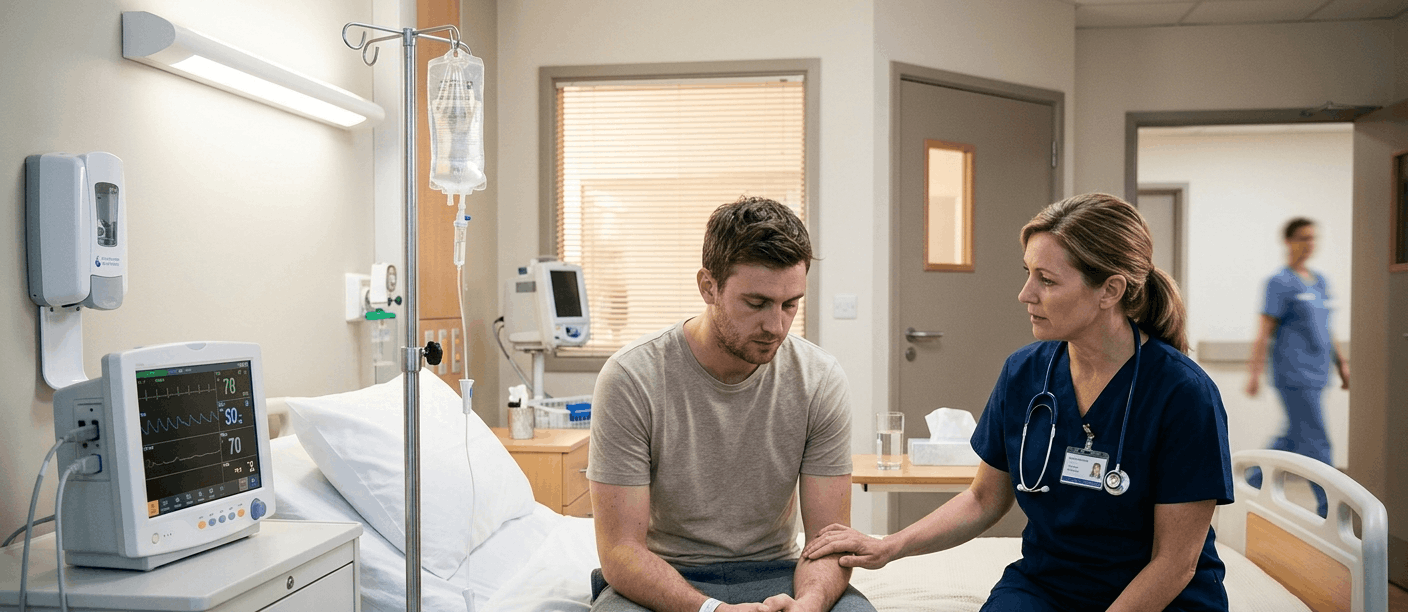
Professional medical detox is a supervised process that helps people manage withdrawal symptoms safely as their bodies clear out harmful substances. Unlike quitting on your own or stopping suddenly, medical detox focuses on comfort, stability, and safety. Licensed professionals keep a close eye on vital signs, give medications to ease symptoms, and act quickly if any problems come up.
This kind of care offers a safe space without outside stress or triggers, helping the nervous system recover. By treating physical dependence in a supportive setting, medical detox gives people a strong start for the next steps in addiction treatment.
- Supervised Care: Doctors and nurses watch vital signs closely to prevent serious problems.
- Medication Management: Medical staff use proven medications to help with discomfort and reduce cravings.
- Structured Safety: A clean, calm setting keeps people away from substances during the early, vulnerable days of recovery.
- Therapeutic Foundation: Medical care helps people get ready, both mentally and physically, for the next steps in treatment.
Substances That Require Professional Medical Detox
Some substances change brain chemistry so much that quitting suddenly can cause serious physical and mental reactions.
Alcohol
Alcohol withdrawal presents severe physical risks that escalate rapidly without intervention. Within 24 to 48 hours following the last drink, individuals may experience grand mal seizures, severe cardiovascular spikes, and intense tremors. Between 48 and 96 hours, a dangerous condition known as delirium tremens can emerge, featuring severe confusion, hallucinations, and dangerous fluctuations in heart rate and blood pressure. Continuous observation utilizing the Clinical Institute Withdrawal Assessment for Alcohol (CIWA-Ar) protocol allows physicians to administer targeted benzodiazepine tapers, preventing life-threatening complications and stabilizing vital functions effectively. According to the National Institute on Alcohol Abuse and Alcoholism (NIAAA), alcohol withdrawal can be life-threatening and should be managed by medical professionals.
Benzodiazepines
Prescription benzodiazepines like Xanax, Valium, and Klonopin have a strong effect on the nervous system. Stopping these drugs suddenly can cause the brain to become overactive, leading to seizures, panic, or heart problems. Benzodiazepine withdrawal can be as dangerous as alcohol withdrawal, so it’s important to slowly reduce the dose under medical supervision. This helps the body adjust safely and protects the person’s health.
Fentanyl and Opioids
Opioid withdrawal is usually not deadly by itself, but it can cause severe symptoms like nausea, vomiting, muscle cramps, diarrhea, and trouble sleeping. The biggest risk of quitting opioids without help is relapsing early. When people try to stop on their own, their tolerance drops quickly, and strong cravings can lead them to take their old dose, which can be fatal. Using medication-assisted treatment like buprenorphine with medical support lowers cravings, prevents overdose, and helps people feel better during detox.
Stimulants: Methamphetamine and Cocaine
Stopping strong stimulants like methamphetamine and cocaine can cause a big drop in brain chemicals, leading to extreme tiredness, lack of pleasure, strong cravings, and deep depression. In some cases, people may have paranoia or thoughts of self-harm. While stimulant withdrawal mostly affects mood and emotions, these changes can be serious and need careful supervision. A professional detox program offers ongoing mental health support, medications to help with sleep and mood, and a safe place to get through this tough time.
Prescription Opioids
Prescription painkillers like oxycodone, hydrocodone, and morphine affect the brain just like illegal opioids. Stopping these medications without medical help can cause severe flu-like symptoms, increased pain, and intense discomfort, making it very hard to recover alone. Medical detox programs look at each person’s pain history and dependence, then use special medications to help them stop safely. This careful process helps prevent switching to street drugs and supports a smooth move into long-term therapy.
What Professional Drug Detox Looks Like in the San Fernando Valley
Joining a professional program in the area means going through a caring, step-by-step process focused on each person’s health needs. When someone arrives, they get a full assessment of their medical history, substance use, and mental health. Doctors then create a detox plan that includes regular checks of vital signs and medications to keep the person as comfortable as possible.
At Healthy Living Residential Program, clients get round-the-clock care from skilled medical staff in a private, healing setting. Along with treating physical symptoms, the team starts planning each person’s next steps, so everyone can move confidently from detox to full addiction treatment.
How Detox Connects to Long-Term Recovery
Finishing detox clears harmful substances from the body and helps stabilize health. This is the first important step toward lasting recovery.
- Addresses Root Causes: Detox alone doesn’t fix the habits, emotions, mental health issues, or lifestyle factors that lead to addiction.
- Gateway to Continued Care: Finishing medical detox is a key first step before moving on to rehab, day programs, or outpatient care.
- Prevents Relapse: Staying connected to care through each stage of treatment greatly improves long-term recovery and helps prevent relapse.
Conclusion
Professional medical drug detox gives people a safe, supportive start when overcoming dependence on alcohol, benzodiazepines, opioids, or prescription stimulants. Being in a supervised setting protects health, eases withdrawal, and helps prevent serious problems early in recovery. Taking this first step opens the door to ongoing care and lasting wellness.
Frequently Asked Questions
Do I always need a professional detox before entering rehab?
Some substances, such as alcohol, opioids, and benzodiazepines, need medical supervision. Intake teams will look at your medical history to find the safest care for you.
How long does drug detox take in the San Fernando Valley?
Most detox programs take between three and ten days. The exact length depends on the substance, your history, your health, and your medical needs.
Is medication-assisted treatment (MAT) used during professional detox?
Care teams often use proven medications like buprenorphine or gradual dose reductions to ease discomfort, control cravings, and keep you safe.
Can I go directly from detox to outpatient treatment?
Transition options are based on your personal assessment. Many people start with residential programs to work on the main psychological and behavioral parts of recovery.
Sources
- National Institute on Alcohol Abuse and Alcoholism (NIAAA). Alcohol Withdrawal Symptoms. https://www.niaaa.nih.gov/alcohols-effects-health/alcohol-topics/alcohol-withdrawal-symptoms
- National Institute on Drug Abuse (NIDA). Principles of Drug Addiction Treatment: A Research-Based Guide. https://nida.nih.gov/publications/principles-drug-addiction-treatment-research-based-guide-third-edition
- Substance Abuse and Mental Health Services Administration (SAMHSA). Medication-Assisted Treatment (MAT). https://www.samhsa.gov/medication-assisted-treatment