Recovering from substance use disorders usually involves medical care, therapy, and support from peers. Individual counseling adds a private setting where clients can discuss personal experiences, emotions, and recovery goals with a licensed therapist. Multiple drug and alcohol rehabs in Los Angeles include one-on-one counseling because it lets treatment match each person’s needs. This approach helps people work through the issues that support lasting recovery.
What Is Individual Counseling in Drug and Alcohol Rehabilitation?
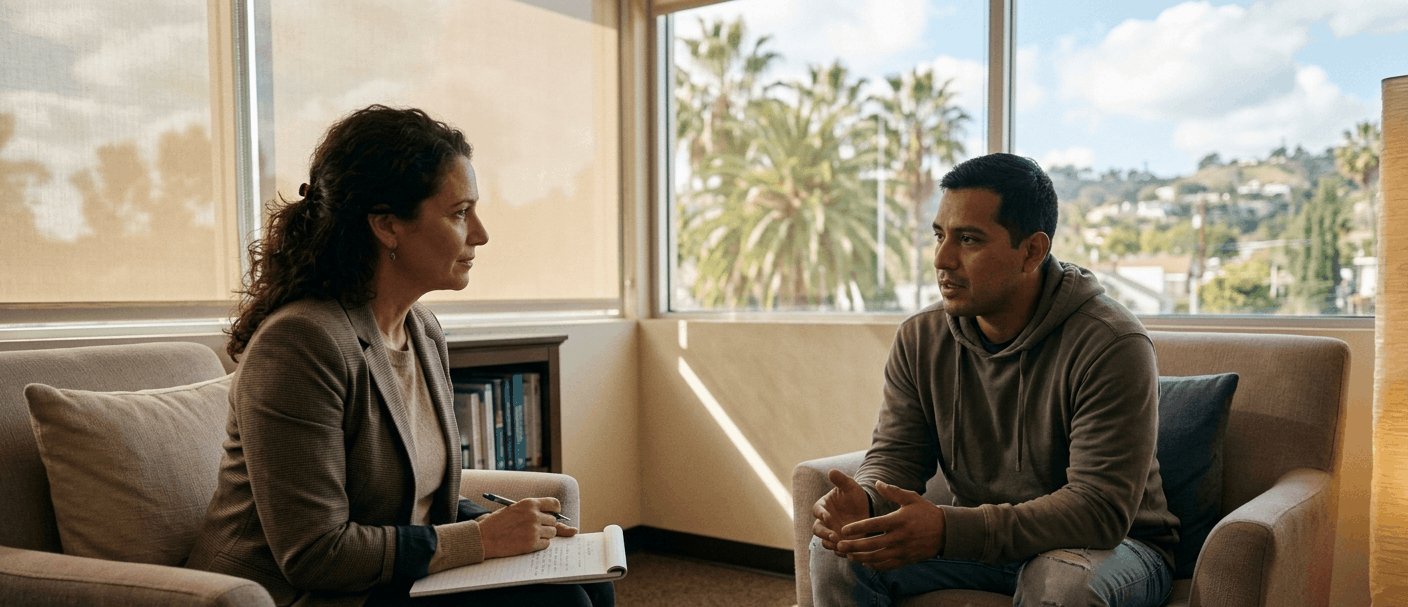
Individual counseling means meeting one-on-one with a licensed therapist or counselor. Unlike group therapy, these sessions focus just on the client’s experiences, goals, and progress. This setting helps therapists understand each person’s challenges and adjust treatment to fit their needs.
Therapists work with clients to look at what affects their substance use, such as trauma, stress, mental health issues, and personal triggers. These talks help clients become more self-aware and find useful ways to support long-term recovery.
At Healthy Living Residential Program, individual counseling gives clients one-on-one time with a licensed therapist to talk about their experiences and recovery goals. Together, therapists and clients work on building better coping skills, improving emotional health, and finding practical ways to support lasting recovery.
How Individual Counseling Differs from Group Therapy
Individual counseling and group therapy work well together during addiction treatment. Individual sessions offer personal guidance, while group therapy helps people learn from each other and get support from peers. Both are important for recovery, but they have different approaches and focuses:
|
Individual Counseling |
Group Therapy |
|
Private, one-on-one setting |
Facilitated peer group setting |
|
Focuses on personal experiences, trauma and triggers |
Encourages shared experiences and community support |
|
Personalized to the individual’s history and goals |
Covers common recovery topics and life skills |
|
Usually 1 to 2 sessions per week during residential care |
Often offered multiple times per week |
|
Builds a strong therapeutic relationship with one counselor |
Builds a supportive recovery community |
Evidence-Based Modalities Used in Individual Counseling
Individual counseling uses proven therapies to help people build emotional strength and recovery skills. Some common methods are:
Cognitive Behavioral Therapy (CBT)
Cognitive Behavioral Therapy (CBT) helps clients see how their thoughts, feelings, and actions affect substance use. Therapists show clients how to spot their triggers, change unhelpful thinking, and use better coping skills. CBT is well-supported for treating alcohol, cocaine, cannabis, and multiple substance use disorders.
Dialectical Behavior Therapy (DBT)
Dialectical Behavior Therapy (DBT) teaches mindfulness, managing emotions, handling stress, and healthy ways to communicate. It is often used for people with trauma or conditions like borderline personality disorder. DBT has been shown to help those with both borderline personality and substance use disorders.
Motivational Interviewing (MI)
Motivational Interviewing (MI) helps clients find their own reasons to recover. Therapists use open-ended questions and conversations to encourage clients to think about their goals and build confidence. MI is backed by over 200 studies in different behavioral health areas.
Trauma-Focused Therapy
People find it helpful to work through experiences that still affect their emotional health. Individual counseling offers a supportive space for therapies like Eye Movement Desensitization and Reprocessing (EMDR) and Trauma-Focused Cognitive Behavioral Therapy (TF-CBT), which help clients process trauma and develop better coping skills.
These proven methods help therapists understand each client’s unique story and build a strong base for exploring what leads to addiction.
How Individual Counselors Identify Root Causes of Addiction
Individual counseling starts with a full assessment of a client’s health, emotions, family background, substance use, and social life. As therapy goes on, counselors can look more deeply into experiences that affect recovery than is usually possible in group sessions.
Key areas explored include:
-
Childhood and family dynamics: Understanding early relationships and their impact on coping skills.
-
Personal triggers: Identifying specific people, places, emotions, and memories linked to substance use.
-
Grief and trauma: Exploring unresolved experiences that continue to affect emotional health.
-
Purpose of substance use: Understanding whether substances were used for comfort, coping, or social connection.
-
Behavioral patterns: Reviewing recurring behaviors and previous recovery experiences to guide future treatment.
These insights let therapists make treatment plans that fit each person and support long-term recovery.
Individual Counseling and Relapse Prevention Planning
A main goal of individual counseling is to create a relapse prevention plan tailored to each person, helping them get ready for life after treatment. In therapy, counselors and clients work together to spot situations that could lead to relapse and come up with practical ways to stay sober.
A relapse prevention plan typically includes:
-
High-risk situations and warning signs: Identifying personal triggers and recognizing early emotional or behavioral changes.
-
Coping toolkit: Developing healthy strategies for managing cravings, stress, and challenging situations.
-
Post-discharge planning: Preparing for common triggers after returning home, work, or familiar relationships.
-
Aftercare support: Establishing ongoing counseling, recovery meetings, and accountability to encourage continued progress.
These personal strategies help people build strong recovery skills and stay sober even after leaving residential treatment.
How Individual Counseling Is Structured at Los Angeles Rehab Programs
Most residential treatment programs offer one or two individual counseling sessions each week, usually lasting 45 to 60 minutes. Many Los Angeles rehabs use this approach and adjust how often sessions happen based on what each client needs.
At Healthy Living Residential Program, we include individual counseling in every client’s treatment plan. We keep records private and work with the whole clinical team to support recovery.
Conclusion
Individual counseling is an important part of addiction treatment because it gives people personal support during recovery. Along with medical care and group therapy, it helps clients build better coping skills, improve emotional health, and get ready for life after treatment. By focusing on each person’s needs and planning for relapse prevention, one-on-one counseling lays the groundwork for lasting recovery and well-being.
Frequently Asked Questions
How often will I have individual counseling sessions in a Los Angeles rehab program?
Most residential rehab programs offer one or two individual counseling sessions each week, along with group therapy and other treatments.
Is what I share in individual counseling kept confidential?
Individual counseling keeps your information private, following legal and ethical rules. There are only a few exceptions, such as when the law or safety requires sharing information.
Can individual counseling address mental health conditions alongside addiction?
Considerable treatment programs offer dual diagnosis care, treating addiction and mental health conditions together with a combined approach.
Does Healthy Living Residential Program offer individual counseling?
At Healthy Living Residential Program, we offer one-on-one counseling as part of our residential treatment to help support long-term recovery.
Sources
-
National Institute on Drug Abuse (NIDA). Behavioral Therapies for Drug Addiction. https://nida.nih.gov/research-topics/therapy-addiction/behavioral-therapies-drug-addiction
-
National Institute on Drug Abuse (NIDA). Principles of Drug Addiction Treatment: A Research-Based Guide. https://nida.nih.gov/publications/principles-drug-addiction-treatment-research-based-guide-third-edition
-
Department of Veterans Affairs & Department of Defense. VA/DoD Clinical Practice Guideline for the Management of Substance Use Disorders (2021). https://www.healthquality.va.gov/guidelines/MH/sud/VADoDSUDCPG.pdfnursingcenter
-
Smedslund G, et al. Motivational interviewing for substance use reduction: Cochrane Database of Systematic Reviews. (2023) https://pubmed.ncbi.nlm.nih.gov/38084817/pubmed.ncbi.nlm.nih