Proudly celebrating our 10 year anniversary
Speak With a Counselor, Call Us 24/7:
(661) 536-5562

Drug Addiction Treatment in Santa Clarita, CA

Drug addiction is a chronic, relapsing brain disease that affects millions of Americans each year. According to the National Survey on Drug Use and Health (NSDUH), approximately 48.5 million people aged 12 or older in the United States met the criteria for a substance use disorder (SUD) in the past year. In California alone, over 1.4 million adults are estimated to have a substance use problem. Yet fewer than 12% receive any form of treatment.

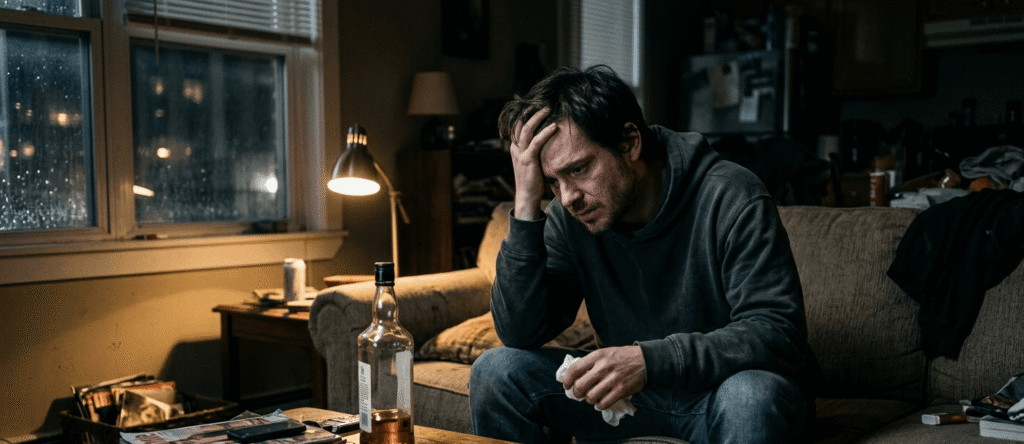
At Healthy Living Residential Program, we provide drug addiction treatment in Santa Clarita for adults seeking lasting recovery. Our program includes medically supervised detox, residential rehab, evidence‑based therapies, and comprehensive aftercare planning, all under the direction of board‑certified physicians.

When Drug Addiction Requires Professional Treatment

The DSM‑5 lists 11 criteria for substance use disorder. Severity is classified as mild (2–3 criteria), moderate (4–5), or severe (6 or more). Residential treatment is typically indicated for moderate to severe SUD, especially when:

You have tried to quit multiple times without success

  • Withdrawal symptoms are severe or potentially dangerous
  • Your home environment does not support recovery
  • You have co‑occurring mental health conditions
  • You have a history of relapse after previous treatment

Signs that drug use has become a problem requiring professional help include:

  • Trying to stop does not last, and drug use keeps coming back
  • Health, sleep, appetite, or focus start getting worse
  • Work, school, or home duties start falling behind
  • More money goes toward drugs, even when bills or basic needs need attention
  • Trust breaks down at home, and conflict begins to grow
  • Larger amounts are needed, or cravings keep pulling your attention back
  • Stopping brings withdrawal, or the fear of withdrawal keeps drug use going

We Are Verified
Accreditations & Memberships

The Neurobiology of Addiction

Drug addiction is not a moral failing. The American Medical Association (AMA) and American Society of Addiction Medicine (ASAM) classify addiction as a primary, chronic brain disease. Chronic drug use alters the brain’s reward circuitry, particularly the mesolimbic pathway , leading to:

  • Tolerance: Needing larger amounts to achieve the same effect
  • Withdrawal: Physical and psychological symptoms when drug use stops
  • Craving: Intense desire to use, often triggered by environmental cues
  • Loss of control: Inability to limit use despite negative consequences

Brain imaging studies show that addiction reduces activity in the prefrontal cortex, the region responsible for impulse control and decision‑making. These changes explain why willpower alone is rarely sufficient to overcome addiction. However, with evidence‑based treatment, the brain can heal, and recovery is possible.

What Is Drug Detox?

Drug detox is the first step when stopping, which brings withdrawal that is hard or unsafe to handle alone. In detox, we help your body clear drugs and watch for symptoms. You may need detox in Santa Clarita if quitting brings pain, cramps, or other symptoms that make stopping difficult. Trying to quit alone can be risky when symptoms get worse.

Detox is used first when withdrawal needs medical care. Sometimes, a doctor may use medication‑assisted treatment (MAT) to help. We help you get through withdrawal safely before moving to the next step.

Residential Rehab: Time, Structure, and Support After Detox

Residential rehab provides space away from drugs after detox. You live on‑site in a safe, comfortable place with a daily recovery schedule. Being away from home stress and outside triggers helps you focus on living drug‑free.

Research shows that longer stays in residential treatment are associated with better outcomes. A study published in the Journal of Substance Abuse Treatment found that patients who completed 90 days of residential rehab had significantly lower relapse rates than those who stayed for shorter periods.

After detox, you move into residential treatment when you are ready for a full daily program. Your schedule includes individual, group, experiential, and family therapy. You work with counselors on coping skills, relapse prevention, and building a drug‑free life. Our staff supports you every day as you recover.

Types of Drug Addiction We Treat at Healthy Living

AWe treat fentanyl, heroin, meth, cocaine, pain medicine, marijuana, and other addictions. If a drug is taking over your health or daily life, we help you with the substance causing problems now.

Fentanyl Addiction

Fentanyl addiction is dangerous because fentanyl is very potent and linked to overdose. According to the CDC, synthetic opioids (primarily fentanyl) were involved in over 70,000 overdose deaths in the United States in 2023. We help adults when fentanyl use is hard to stop or too risky to continue.

Heroin Addiction

Heroin use can take over your day and lead to repeated use that is hard to break. We treat adults who need help getting out of that cycle. The National Institute on Drug Abuse (NIDA) reports that approximately 80% of people who use heroin first misused prescription opioids.

Meth Addiction

Meth addiction affects sleep, thinking, and daily function. We treat meth problems in Santa Clarita when meth use starts to change how you live. Long‑term meth use is associated with significant cognitive deficits and psychiatric symptoms.

Cocaine Addiction

Cocaine addiction leads to repeated use, loss of control, and harm in daily life. We help when cocaine keeps pulling you back and stopping gets harder. Cocaine use is linked to increased risk of stroke, myocardial infarction, and sudden cardiac death.

Pain Medicine Addiction

Pain medicine addiction can start with pills and grow into a pattern that is hard to control. We help adults when pain medication use affects daily life and responsibilities. The FDA has approved three medications for opioid use disorder: buprenorphine, methadone, and naltrexone.

Marijuana Use Disorder

Marijuana use can affect motivation, routine, and daily function. We help adults when marijuana becomes a problem that is difficult to manage alone. According to NIDA, approximately 30% of those who use marijuana may have some degree of cannabis use disorder.

Our Testimonials What Our Clients Say About Us

What Your Treatment Plan May Include

Your drug addiction treatment plan may include detox, residential care, therapies, and aftercare planning. We use each part when you need it.

Detoxification

Detox is the first phase when drugs need to leave your body, and withdrawal needs medical support. We use medical detox if stopping brings symptoms, cravings, or problems that make quitting unsafe alone. Our team monitors you and helps you through withdrawal.

Residential Treatment

After detox, you move into residential treatment when you are ready to live on‑site and follow a daily recovery routine. You stay in a safe, comfortable space with staff support and distance from drugs. Residential rehab gives you structure and a stable place to build new habits.

Therapies

Therapies are a main part of treatment when you are ready to work on why drug use keeps coming back. We offer individual, group, family, and experiential therapy. CBT is used in individual sessions.
<ul>
<li><strong>Individual Therapy</strong>: In individual sessions, you meet with a therapist to work on behavior patterns, triggers, and reasons for drug use. CBT helps when thought patterns feed cravings.</li>
<li><strong>Group Therapy</strong>: Group therapy puts you with others in treatment for guided sessions. Group work adds structure and gives you space to talk, listen, and learn with people working on recovery.</li>
<li><strong>Family Therapy</strong>: Family therapy brings family members into treatment when drug use has hurt trust, communication, or home life. It gives your family a place to work on these problems during treatment.</li>
<li><strong>Experiential Therapy</strong>: Experiential therapy adds active activities such as yoga, meditation, breathwork, tai chi, acupuncture, art therapy, music therapy, gardening, nature therapy, and recreation.</li>
</ul>

Aftercare Planning

Aftercare planning starts before residential treatment ends. We set up support for you after treatment. Your plan may include outpatient treatment, support groups, relapse prevention, therapy, sober living, or alumni support.

We connect you with outpatient and sober living services in Santa Clarita and Los Angeles after residential treatment. You leave with the next step and support in place.

We Treat Co‑Occurring Mental Health Issues

Drug addiction can occur alongside mental health issues. You may have substance use and also deal with anxiety, depression, trauma, PTSD, OCD, or other concerns. When both are present, each can make the other harder to handle.

According to SAMHSA, approximately 21.5 million adults in the United States have a co‑occurring disorder – meaning they have both a mental illness and a substance use disorder. Among adults with any mental illness, 34.5% also have a substance use disorder.

We treat mental health issues and drug addiction together, not as separate problems. Our team looks at how substance use and mental health affect each other and works on both at once. Treating both helps when drug use and mental health symptoms grow together.

How We Start Your Drug Addiction Treatment

Drug addiction treatment starts with a phone call. We gather your intake details, verify payment, and help arrange travel to Santa Clarita. We focus on what you need first so you can begin treatment.

1

Contact Us

Call our addiction helpline to begin. Our admissions team is available 24 hours a day, 7 days a week.

2

Complete Preadmission Screening

We ask a short set of screening questions by phone. We ask about the substances being used, length and frequency of use, past treatment, your work and living situation, and other medical conditions.

3

Confirm Payment Method

We confirm how treatment will be paid for before admission. If you have private insurance, we verify treatment coverage. We also accept private payments.

4

Arrange Transportation

Our admissions coordinator helps with travel arrangements to our facility. We arrange travel after payment is confirmed, and you can then come to our facility for admission.

We Accept All PPO Insurance Plans

Anthem Insurance Logo Cigna Insurance Logo Beacon Insurance Logo BlueCross Insurance Logo Aetna Insurance Logo Humana Insurance Logo Value Options Insurance Logo Ameritas Insurance Logo Assurant Insurance Logo ComPsych Insurance Logo

Insurance and Private Pay Options for Your Treatment

We accept PPO insurance and private pay for drug addiction treatment in Santa Clarita. PPO plans with out‑of‑network benefits are common for residential care. Call our admissions coordinator to check your coverage. We do not accept Medi‑Cal or Medicaid.

If you plan to pay privately, call us to discuss payment before treatment. If you use insurance, we verify benefits before you start so you know your coverage.

Why Santa Clarita Families Choose Healthy Living for Drug Addiction Treatment

Families in Santa Clarita choose Healthy Living when they need detox and residential treatment in one place. Our center is in Santa Clarita and run by two board‑certified medical doctors. You receive support from our admissions coordinator, therapists, counselors, and staff from the start.

When drug use affects someone you love, families want a place that is close, safe, and ready for admission. We offer a welcoming environment where clients live in comfort with a caring team. Detox and residential treatment are both here, so your family does not need to search for early services elsewhere.

Why Choose Healthy Living Residential Program?

DHCS-licensed & Joint Commission–accredited

Board-certified physician oversight

Evidence-based, ASAM-aligned care

Integrated dual diagnosis treatment

Experienced clinical team

Seamless transitions to aftercare

Call Healthy Living Residential Program for Drug Addiction Treatment

Call Healthy Living Residential Program to start drug addiction treatment in Santa Clarita. Our admissions team helps you check insurance, discuss private pay, and begin the process by phone.

Phone: (661) 536-5562

Address: 22512 Garzota Drive, Santa Clarita, CA 91350

Frequently Asked Questions

Can you work while living in residential treatment in Santa Clarita?

Yes. Work can continue during residential treatment, and arrangements can be made for that. Detox can make it work harder to manage at the start.

How long can residential treatment last?

Residential treatment can last from 1 to 3 months. We recommend at least one month, and more time can help build a stronger foundation for recovery.

How soon can you be admitted for drug addiction treatment in Santa Clarita?

Admission can happen quickly once payment is verified. In many cases, you may be admitted right away. If you call late at night, admission may begin the next morning.

Will you be able to use your cellphone during treatment?

Yes, but use is limited. You can use your phone at set times after daily treatment and therapy, and for emergencies.

Can family visit during residential treatment?

Yes. Family visits can be part of treatment, and family members may also join family therapy sessions during the program.

What if your loved one refuses treatment?

We can give your family guidance and answer questions about what to do next. An intervention specialist may also be available to help with the process.

References

  1. Substance Abuse and Mental Health Services Administration (SAMHSA). (2023). Key substance use and mental health indicators in the United States: Results from the 2023 National Survey on Drug Use and Health.
    https://www.samhsa.gov/data/sites/default/files/reports/rpt47095/National
  2. California Department of Health Care Services (DHCS). (2024). Substance use disorder treatment utilization data.
    https://gis.dhcs.ca.gov/search?collection=dataset
  3. American Psychiatric Association. (2013). Diagnostic and statistical manual of mental disorders (5th ed.).
    https://psycnet.apa.org/record/2013-14907-000
  4. American Society of Addiction Medicine (ASAM). (2019). Definition of addiction.
    https://www.asam.org/quality-care/definition-of-addiction
  5. Narváez-Camargo, M., Lozano-Rojas, et al. (2025). Substance Use Disorder Treatment Outcomes: Methodological Overview of Metrics and Criteria.
    https://pmc.ncbi.nlm.nih.gov/articles/PMC12180564/
  6. Centers for Disease Control and Prevention (CDC). (2024). Drug overdose deaths.
    https://www.cdc.gov/drugoverdose/
  7. National Institute on Drug Abuse (NIDA). (2021). Heroin.
    https://nida.nih.gov/research-topics/heroin
  8. NIDA. (2021). Methamphetamine.
    https://nida.nih.gov/research-topics/methamphetamine
  9. NIDA. (2021). Cocaine.
    https://nida.nih.gov/research-topics/cocaine
  10. CDC. (2024). Medication-assisted treatment for opioid use disorder.
    https://www.cdc.gov/overdose-resources/files/medication-assisted-treatment-for-opioid-use-disorder.html
  11. NIDA. (2021). Marijuana.
    https://nida.nih.gov/research-topics/cannabis-marijuana
  12. SAMHSA. (2024). Co-occurring disorders.
    https://www.samhsa.gov/substance-use/treatment/co-occurring-disorders
  13. SAMHSA. (2024). National Survey on Drug Use and Health – mental health data.
    https://www.samhsa.gov/data/

Blog & News

Sign Up For Updates

"*" indicates required fields

This field is for validation purposes and should be left unchanged.

Drug Rehab SEO by SeoTuners